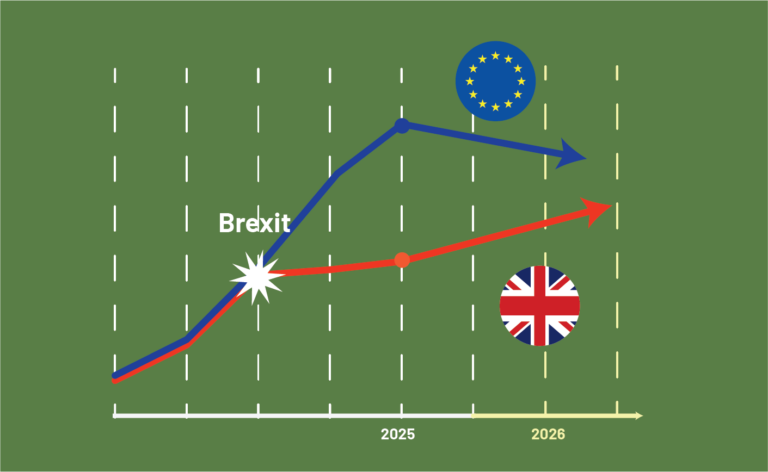
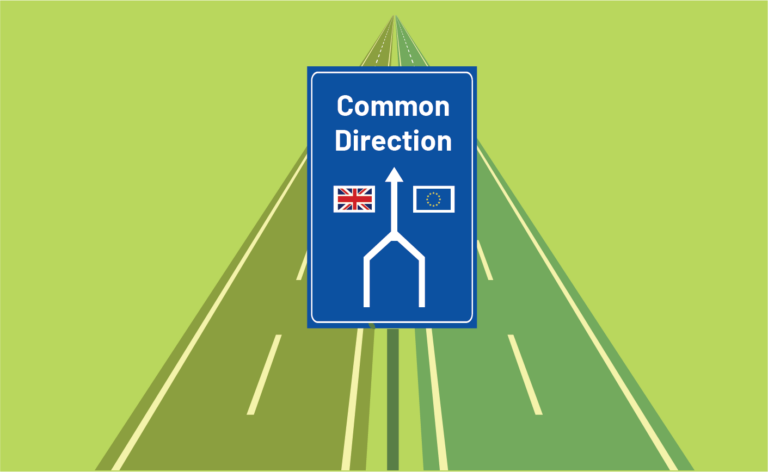
The last year has seen the political winds shift back towards Europe, with the Labour government over recent months signalling intent to align more with the EU. Whilst a promised EU-UK reset conference was delayed from this summer to later in the year, policy work proceeds behind the scenes.
As the Environmental Audit Committee saw during our inquiry this year into PFAS or forever chemicals, environmental policy and the importance of UK-EU alignment is not just about the environment: it is also about the health of our citizens and supporting the trading prospects of our businesses and wider economy.
For example, divergence between the UK and EU’s chemicals regulations post-Brexit has increased compliance complexity and costs for businesses navigating different regimes, both between the UK and the EU, but also between GB and Northern Ireland. These sorts of trade barriers make the UK less competitive.
Divergence also risks the safety of our citizens and the integrity of our natural environment. Since Brexit, the EU added 42 substances to the candidate list and five to the authorisation list under their chemicals regulatory scheme. During the same time, the UK added none. The Environmental Audit Committee was warned about the prospect of businesses dumping surplus non-EU compliant stock into the UK market.
In other areas, divergence has allowed the UK to forge ahead: mandatory biodiversity net gain, the introduction of Environmental Land Management (ELM) schemes to replace the previous basic payment scheme, and the 2030 commitment to phasing out petrol cars.
This report provides a timely and comprehensive analysis of divergence in UK-EU environmental policy. As ever, the picture is complicated and constantly evolving. Whilst the UK government may choose a different approach than the EU in some areas, alignment can help avoid unnecessary regulatory divergence, for the benefit of businesses, economic growth, and of course the environment.
The year ahead will be a crucial and formative one for the UK-EU relationship and environmental policy.